Pre-Pregnancy Health Checklist for Couples
Last Updated: April 2026 | Author: Dr. Sumeetkaur Mehta Patil
Planning a pregnancy is one of the most significant decisions a couple can make. Yet most couples focus entirely on conception — without first ensuring that both partners are in their best possible health. This is where preconception care comes in.
Dr. Sumeetkaur Mehta Patil — a gynecologist and pregnancy specialist in Nashik — strongly recommends that all couples visit a gynaecologist at least 3–6 months before they plan to start trying. A preconception checkup can identify and resolve conditions that might otherwise lead to infertility, complications, or miscarriage.
Here is a complete pre-pregnancy health checklist for couples — based on clinical evidence and Dr. Mehta's years of experience at Aviva Women's Hospital, Gangapur Road, Nashik.
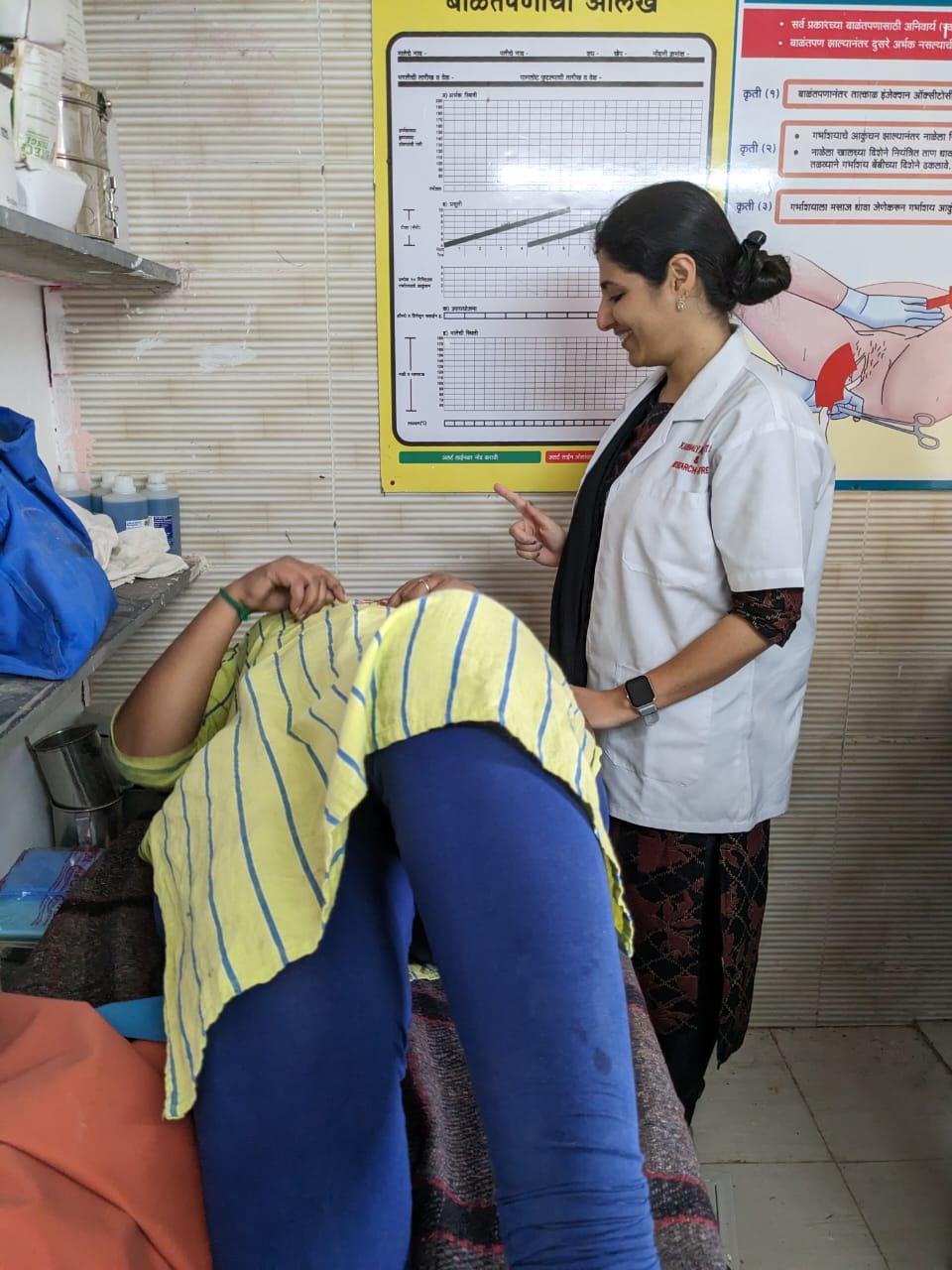
For the Woman — Essential Pre-Pregnancy Steps
1. Schedule a Preconception Consultation
Visit your gynecologist before you start trying. She will review your complete medical history, current medications, past pregnancies, and family history of genetic conditions. This single step can prevent many complications.
2. Blood Tests to Complete
- Complete Blood Count (CBC) — checks for anaemia
- Blood group and Rh factor
- Thyroid function test (TSH) — thyroid disorders are common in Indian women and must be controlled before pregnancy
- Blood sugar (fasting) — pre-diabetes must be managed before conception
- TORCH screen — checks immunity to rubella, toxoplasmosis, CMV, and herpes
- AMH (Anti-Mullerian Hormone) — to assess ovarian reserve, especially for women aged 30 and above
- Vitamin D and B12 levels — deficiencies are very common in Indian women and affect both fertility and fetal development
3. Vaccinations to Update
- Rubella (German measles) vaccine — essential if you are not immune. Must be given at least 1 month before conception.
- Hepatitis B — if not already vaccinated
- Varicella (chickenpox) — if you have no history of infection
- COVID-19 booster — as per current guidelines
4. Start Folic Acid Supplementation Now
Start taking folic acid (400–800 mcg daily) at least 3 months before you plan to conceive. Neural tube defects form in the first 28 days of pregnancy — often before a woman knows she is pregnant. Folic acid supplementation is the single most powerful preventive measure available to reduce this risk.
5. Review and Adjust Medications
Certain medications are unsafe during pregnancy. If you take medication for epilepsy, blood pressure, thyroid, antidepressants, or skin conditions — your doctor must review and adjust your prescription before you conceive. Never stop prescribed medications without consulting your doctor first.
6. Achieve a Healthy Weight
Both obesity and being underweight increase pregnancy complications significantly. A BMI between 18.5 and 24.9 is considered ideal for conception. Even a 5–10% improvement in weight for those with PCOS can restore ovulation naturally.
For the Man — Essential Pre-Pregnancy Steps
1. Semen Analysis
A semen analysis evaluates sperm count, motility (movement), and morphology (shape). Male factor infertility accounts for 40–50% of all infertility cases. A simple test can identify this early — giving time to treat before you start trying. Do not skip this step.
2. Blood Tests
- Blood group and Rh factor
- Blood sugar and blood pressure check
- STI screening if indicated by history
3. Lifestyle Optimisation
- Stop smoking — it directly damages sperm DNA and reduces fertility
- Limit alcohol — to no more than 2 units per week
- Avoid hot baths, saunas, and tight underwear — heat reduces sperm production
- Reduce stress through exercise, sleep, and mindfulness
- Maintain a healthy BMI — obesity reduces testosterone and sperm quality
Shared Couple Checklist
Both partners should complete the following together:
- Stop all tobacco and alcohol use together — mutual support significantly improves success
- Eat a balanced diet rich in vegetables, protein, and whole grains
- Start regular moderate exercise (30 minutes, 5 days a week)
- Discuss family history of genetic conditions with your doctor — genetic counselling may be recommended
- Ensure both partners have no untreated dental infections — gum disease has been linked to preterm birth
- Review insurance coverage for maternity and newborn care before conception
- Reduce environmental and occupational toxin exposure (pesticides, solvents, radiation) if applicable
How Far in Advance Should You Start Preconception Care?
Ideally, begin preconception care 3–6 months before you plan to start trying. This timeline allows for:
- Vaccinations to take full effect (rubella requires 1 month post-vaccination before conception)
- Folic acid levels to build up adequately in the body
- Time to treat any identified conditions such as thyroid disorders, anaemia, or PCOS
- Weight management goals to be met gradually and safely
- Semen analysis results and any required treatment for the male partner
Starting early gives you the best possible foundation for a healthy pregnancy and reduces the risk of complications, miscarriage, and birth defects.
What to Expect at Your Preconception Consultation in Nashik
When you visit Dr. Sumeetkaur Mehta Patil at Aviva Women's Hospital for a preconception consultation, you can expect:
- A detailed review of both partners' medical and family history
- Prescription for folic acid and any other supplements needed
- Blood test requisitions for both partners
- Vaccination review and administration if required
- Personalised advice on diet, lifestyle, and weight management
- Discussion of any previous pregnancy complications or losses
- Guidance on timing intercourse for conception
The consultation is completely confidential and non-judgmental. Dr. Mehta has helped hundreds of couples in Nashik plan and achieve healthy pregnancies through structured preconception care.
Written by Dr. Sumeetkaur Mehta Patil
Pregnancy specialist and preconception counsellor in Nashik with 16+ years of experience in antenatal care, high-risk pregnancy management, and women's reproductive health at Aviva Women's Hospital, Gangapur Road, Nashik.
Planning a Family? Start With the Right Foundation.
A preconception consultation can prevent complications, identify hidden conditions, and give your baby the healthiest possible start. Consult Dr. Sumeetkaur Mehta Patil — Best Gynecologist in Nashik — at Aviva Women's Hospital, Gangapur Road, Nashik.